
FIFA's $4.2bn Investment Plan Collapses: Why African Football Is Watching
FIFA abandoned its US$4.2 billion private investment plan after opposition from UEFA and other confederations. What the plan was and what it means for African football.
By
Scorer254 Editorial Desk
Section
Football
Status
Published article
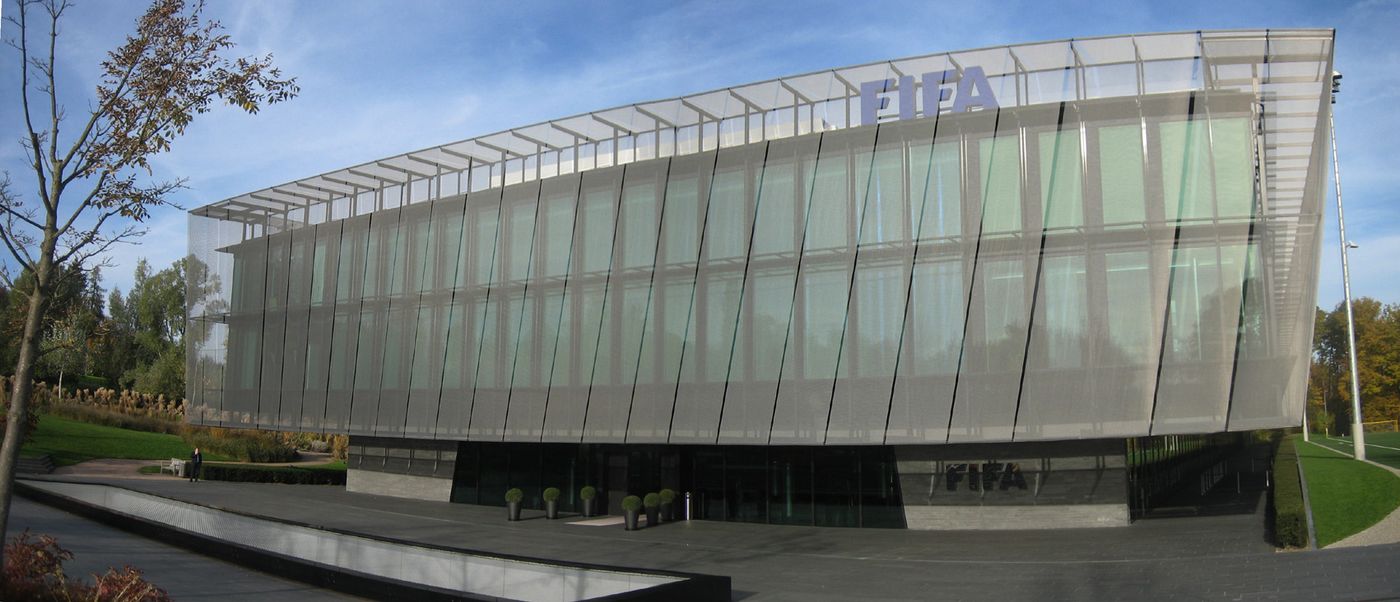
Photo: MCaviglia digimen.ch / Wikimedia Commons / CC BY-SA 3.0
FIFA President Gianni Infantino faced one of the biggest challenges of his leadership in August 2026 after FIFA abandoned a plan to raise as much as US$4.2 billion from private investors. The collapse has big implications for how football is funded, including in Africa.
What was FIFA Forward Enterprise?
FIFA announced the plan on 28 July. It would have created a new company to hold FIFA's commercial rights and run its tournaments, including sponsorship, broadcasting, ticketing and licensing. FIFA valued the company at about US$20 billion and planned to sell minority, non-controlling stakes to selected investors.
FIFA said the deal could raise up to US$4.2 billion and lift development funding above US$10 billion. Each of its 211 member associations could have received an optional US$20 million for special projects, with higher allocations in later cycles.
Why it collapsed
The criticism focused on transparency, consultation and how much influence outside investors might gain over FIFA's commercial operations. UEFA's 55 member associations threatened to boycott FIFA competitions, and the Asian Football Confederation and CONCACAF also objected, with CONCACAF saying it had not been consulted.
Infantino withdrew the proposal around 1 August. The fallout continued: Wales became the first association to formally withdraw its endorsement of his re-election, with Serbia and Finland following, and UEFA said FIFA's leadership had lost its confidence. Infantino had been expected to be re-elected unopposed at the FIFA Congress in Morocco in March 2027.
Why African football is watching
Many African federations, including Kenya's, rely heavily on FIFA grants for facilities, youth programmes, coaching and administration. An extra US$20 million per association could have funded training grounds, referee development, women's football and grassroots competitions.
But the episode also shows why funding must come with clear rules and oversight. Strong auditing, public reporting and clear development plans would be needed to make sure money reaches players, clubs and communities. African federations should not have to choose between more money and demanding transparency from football's global leadership.
African football's official position became clear a few days later, as explained below.
What happens next
The key questions are whether FIFA brings back a revised funding plan, how member associations are consulted, and whether the revolt against Infantino grows before the 2027 Congress. With 54 member associations, Africa is one of the biggest voting blocs in FIFA and will have a major say.
CAF backs Infantino
Africa's position became clearer after the plan was dropped. On 6 August 2026, following a meeting of its members, CAF said it had unanimously reconfirmed its support for Infantino, according to Citizen Digital. Former Cameroon striker and Cameroonian federation president Samuel Eto'o also publicly urged support for the FIFA president later in August.
UEFA, by contrast, said its conditions had not been fully met. It accepted that the plan had been withdrawn but wanted assurances that a similar sale of FIFA competitions would never be attempted again. Several European associations withdrew support for Infantino's bid for a fourth term, with nominations for the FIFA presidency closing on 18 November.
Why Africa sided with Infantino
FIFA's development funding has grown significantly under Infantino, and many African federations depend on it for day-to-day operations. For smaller associations, a reliable FIFA grant can be the difference between running youth leagues and coaching courses or not running them at all. That helps explain why CAF moved quickly to support him, even as Europe pushed back.
What it means for Kenya
For FKF, the main concern is stability of funding. Projects such as coaching courses, women's football programmes and pitch development often rely on FIFA money. At the same time, Kenyan fans have every right to expect that whatever money comes in is spent transparently, with clear reporting on how it improves football at every level.
Key dates to watch
- 18 November 2026: deadline for nominations for the FIFA presidency.
- March 2027: FIFA Congress in Morocco, where the next president will be elected.
Frequently asked questions
What was FIFA Forward Enterprise?
A proposed FIFA company for its commercial rights and tournaments, valued at about US$20 billion, in which FIFA planned to sell minority stakes to raise up to US$4.2 billion.
Why did FIFA drop the plan?
FIFA dropped it after strong opposition from UEFA, the Asian Football Confederation and CONCACAF over transparency and consultation.