
How Football Scouts Spot Talent: 8 Tips for Young Players in Kenya
What do football scouts look for in young players? Eight practical tips to help Kenyan footballers get noticed by academies, clubs and talent scouts, and avoid fake agents.
By
Scorer254 Editorial Desk
Section
Football
Status
Published article
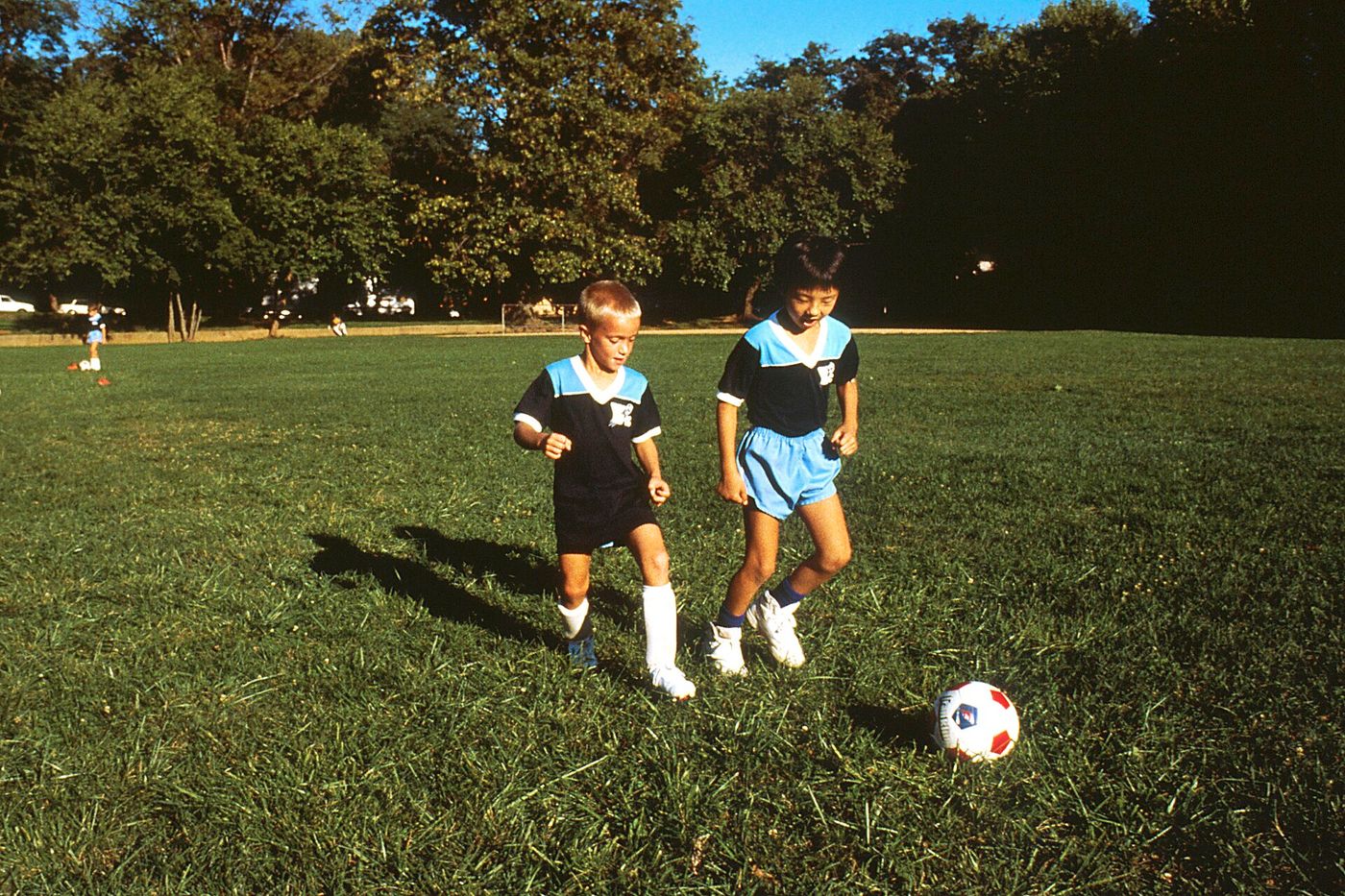
Photo: Bill Branson (Photographer) / Wikimedia Commons / Public domain
Every weekend, thousands of young players across Kenya turn out for school teams, estate tournaments and academy sides hoping someone important is watching. Sometimes someone is. Scouts from clubs and academies regularly attend grassroots matches looking for the next big talent.
So what are they actually looking for, and how can you improve your chances of being noticed? Here are eight practical tips.
1. Play Competitive Matches Regularly
Scouts go where the games are. School competitions, county leagues, community tournaments and academy fixtures are where most young talent is discovered. Training alone, however hard, will not get you seen. Join a team that plays organised matches and play as often as you can.
2. Consistency Beats One Great Game
A wonder goal is nice, but scouts usually watch a player several times before recommending them. They want to see that you perform at a good level week after week, in good conditions and bad, against strong and weak opponents. Aim to be reliable, not just spectacular.
3. Show Your Football Intelligence
Good scouts watch what you do without the ball. Do you check your shoulder before receiving a pass? Do you move into space? Do you track back when your team loses possession? Decision-making and awareness are often what separate a good young player from a future professional.
4. Master the Basics of Your Position
Know what your position demands and get very good at it. A centre-back should win headers and pass cleanly out of defence. A winger should beat players and deliver quality crosses. A goalkeeper should communicate and handle the ball securely. Strong technique in the basics, with both feet if possible, stands out quickly.
5. Attitude Is Watched as Closely as Skill
Scouts notice how you react when you make a mistake, how you treat the referee and how you encourage teammates. A talented player who sulks or argues is a risk. A hard-working, coachable player who keeps going when the team is losing is someone coaches want to work with.
6. Look After Your Body
Fitness, speed and stamina all matter, but so does staying healthy. Warm up properly, rest when you need to, sleep well and eat balanced meals. A player who is always injured cannot show what they can do.
7. Build a Short Highlight Video
Ask a coach, friend or parent to film your matches. A clear three to five minute video of real match moments, with your name, age, position and team at the start, can open doors to academy trials. Show defending and passing as well as goals and skills, and keep it honest.
8. Protect Yourself From Fake Agents
Unfortunately, some people pose as scouts or agents to take advantage of young players and their families. Be careful if someone:
- Asks for money to arrange a trial, a visa or a contract abroad.
- Promises a guaranteed move to a big European club.
- Asks to keep your passport or official documents.
- Wants to meet alone without your parent, guardian or coach.
Genuine clubs and scouts do not charge players to be watched. Always involve a parent or trusted coach, check the club directly, and ask whether an agent is licensed before signing anything.
Keep Your Education Going
Only a small number of players make it to professional football, and careers can be short. Staying in school keeps your options open and helps you understand contracts and money if you do make it. Many academies also value players who balance football and studies well.
Final Word
Getting scouted is rarely about luck alone. Play regularly, be consistent, work on your game and your attitude, and stay safe. When the right person is watching, you will be ready. For more advice, read our guides on joining a football academy in Kenya and simple drills you can do at home.