
How Gambling Sponsorship Shapes the Football Transfer Market
Betting brands do not pick signings, but they profit from transfer drama. How gambling sponsorship shapes football's transfer coverage, and why it matters for fans and clubs.
By
Scorer254 Editorial Desk
Section
Football
Status
Published article
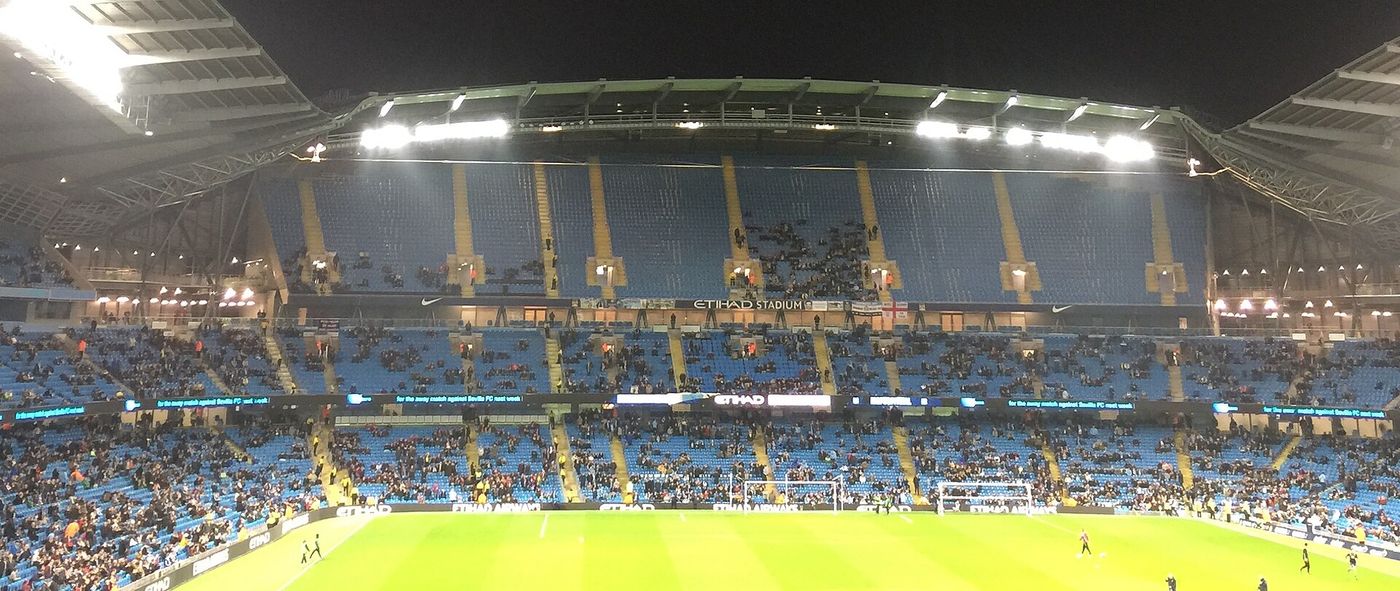
Photo: Smabs Sputzer / Wikimedia Commons / CC BY 2.0
Football transfers are no longer just about scouting, negotiation and sporting need. They are media events, commercial assets and attention machines. In that attention economy, gambling sponsorship has become one of football's most powerful background forces.
How betting brands sit close to transfer stories
A betting company does not need to choose which midfielder a club signs. It only needs to sit close to the story: on shirts, pitch-side boards, club websites, broadcast graphics, social media campaigns and matchday coverage. Once that happens, every rumour, fee, medical and deadline-day update becomes part of a wider commercial loop.
The transfer market thrives on uncertainty. Fans want to know who is moving, how much it will cost and whether the player is worth it. Gambling brands thrive on the same emotional rhythm of anticipation, risk and prediction. A player linked with five clubs creates weeks of content, a big fee creates debate and a collapsed deal creates outrage, with sponsor visibility growing all the way.
The Premier League's shirt-front ban
Premier League clubs agreed to remove gambling sponsors from the front of matchday shirts from the 2026/27 season. That shows football authorities recognise the visibility problem, but it does not remove betting brands from the game. Sleeve deals, pitch-side advertising, digital partnerships and overseas campaigns can still keep them close to fans.
Why clubs depend on the money
Global transfer spending runs into billions of dollars each year. In that environment, sponsorship income becomes part of the pressure on clubs, especially smaller ones that rely on commercial deals to compete. A club with a gambling sponsor may never say it needs a signing for its sponsor, but every new arrival brings social posts, interviews and coverage that can carry the sponsor's brand.
The risks for fans, clubs and media
For fans, transfer coverage can become more about emotion than football quality. A sensible signing may look boring while a reckless one feels exciting, and rumours with little substance can dominate because they drive engagement.
For clubs, the danger is dependency. If gambling money becomes normal, replacing it when rules change can be hard, especially for clubs outside the richest tier.
For football media, transfer gossip already rewards speed over accuracy. When gambling-linked attention sits around the sport, the pressure to keep fans refreshing and predicting only grows.
Why this matters in Kenya
Kenyan football has close links with betting companies through league, club and shirt sponsorships, and many fans follow European transfer stories closely. The same questions apply locally: how dependent clubs are on betting money, how transparent sponsorship deals are, and how fans, especially young people, are protected from gambling harm.
What should change
Sponsorship money matters, because football is expensive to run. But transparency matters too. Fans deserve to know when commercial interests shape the stories they consume, regulators should look beyond shirt fronts to the full digital ecosystem, clubs should reduce their dependence on gambling income, and media outlets should clearly separate reporting from speculation.
Transfers will always be dramatic. The question is no longer only who won the transfer window, but who controlled the story.
Frequently asked questions
Are gambling sponsors banned from Premier League shirts?
Premier League clubs agreed to remove gambling sponsors from the front of matchday shirts from the 2026/27 season, though other forms of gambling sponsorship are still allowed.
Why do betting companies sponsor football?
Football offers huge audiences and constant engagement, which makes it valuable advertising space for betting brands.