
How to Join a Football Academy in Kenya: Trials, Requirements and Tips for Young Players
A practical guide for young Kenyan players and parents on finding a genuine academy, preparing for trials and getting noticed by scouts.
By
Scorer254 Editorial Desk
Section
Football
Status
Published article
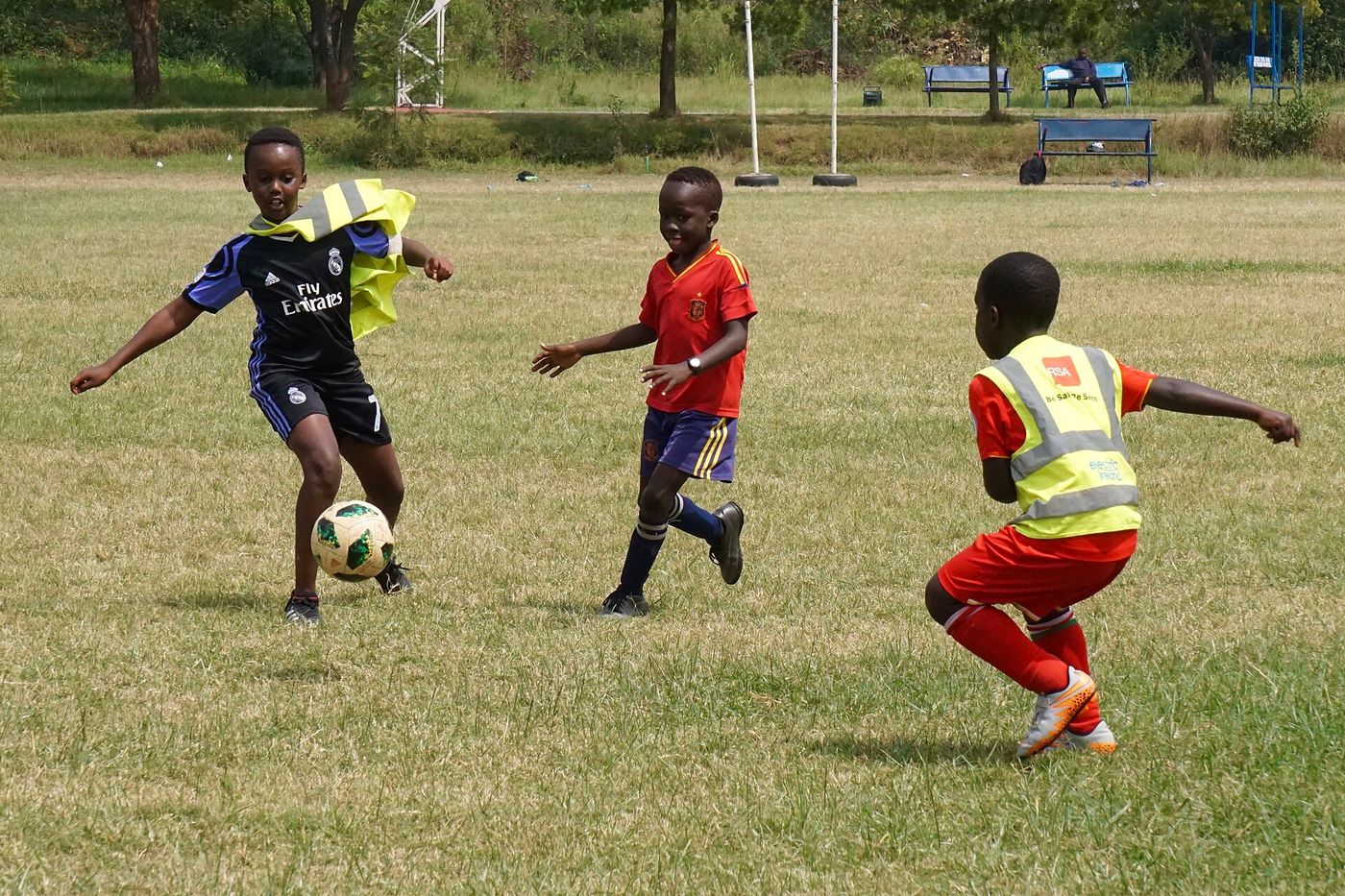
Photo: Dorcas Cheng-Tozun / Wikimedia Commons / CC BY-SA 4.0
Every weekend, young players across Kenya turn up on dusty pitches in Kawangware, Kibera, Mathare, Mombasa, Kisumu and beyond, hoping a scout is watching. If you want to join a football academy in Kenya, the path is clearer than most people think, but it pays to prepare and to know who you are dealing with. This guide explains how academy trials work, what to bring, what scouts look for and how to avoid fake academies.
Know the different types of football academies in Kenya
Not every academy offers the same thing, so decide what fits your age, level and budget before you apply:
- Community and grassroots academies: run by local coaches, often affordable or free, and a good first step for younger players.
- Club youth teams: Kenyan Premier League and lower-division clubs often run under-age sides and hold open trials.
- School and county programmes: inter-school and county competitions are a major scouting ground, so playing for your school team still matters.
- Private and residential academies: usually charge fees and combine training with accommodation or schooling. Check the details carefully.
How to check that an academy is genuine
Parents and players are sometimes targeted by fake academies that promise trials abroad or guaranteed contracts. Before paying anything, visit the training ground, watch a session and ask direct questions. Warning signs include:
- Large upfront "trial fees" with no receipt or written terms.
- Guarantees of a professional contract or an overseas move.
- No physical address, no named coaches and no clear training schedule.
- No child safeguarding policy, or pressure to decide immediately.
Ask about the coaches' qualifications, how many players the academy has placed with clubs, and whether it is registered or affiliated with the relevant football authorities. Talk to current parents. A genuine academy will answer without hesitation.
What to prepare before academy trials
- Proof of age, such as a birth certificate, since trials are grouped by age category.
- A recent school report, because good academies care about education.
- Written consent from a parent or guardian for players under 18.
- Boots, shin guards, training kit and a water bottle.
- Any medical information the academy asks for, and a quick fitness check if you have been out of training.
What scouts and coaches look for
Scouts watch more than goals. They look at first touch and ball control, how quickly you read the game, your work rate without the ball, and how you react after a mistake. Attitude, discipline and coachability often decide between two players of similar ability. Be on time, listen to instructions and support your teammates.
Tips for trial day
- Sleep well, eat properly and arrive early to warm up.
- Play your natural position and keep your decisions simple. Do not try to dribble past everyone.
- Communicate on the pitch and keep working even when the ball is far away.
- If you are not selected, ask for feedback and keep improving. Many players need more than one trial.
Tournaments where scouts look for talent
You do not have to wait for an academy trial to be seen. School competitions run through the Kenya Secondary Schools Sports Association (KSSSA), county leagues and open tournaments such as Safaricom Chapa Dimba attract coaches and scouts every year. Chapa Dimba alumni include Benson Omalla and Bryton Otieno, and the current season uses video cameras and AI tools to build player profiles that scouts can review.
Do not drop school
Only a small share of academy players reach the professional ranks, so education is your safety net. Choose an academy that supports your studies, and keep your grades up.
Frequently asked questions
What age can a child join a football academy in Kenya?
Age limits differ by academy. Many run age-group teams from the primary school years up to under-20, so ask each academy which categories it offers.
Is it normal to pay for academy trials?
Some academies charge small administration or registration fees, but you should always get a receipt and written terms. Be very cautious if anyone links payment to a guaranteed contract.
How do scouts find players in Kenya?
Scouts attend school tournaments, county competitions, community leagues and open club trials. Playing regularly in organised competitions gives you the best chance of being seen.
Requirements change from one academy to another, so always confirm details directly with the academy before you travel or pay anything.